Event
Sat, 25 Jul · 12:00 am · Bengaluru
A Moving Line: 1500 Years of Indian Visual Storytelling
About
Carved into the Someshwara temple in Halasuru, just across the city, is a story told in stone — one of Bengaluru’s own earliest examples of a narrative meant to be read in sequence. A line cut into temple stone, and a line drawn on a screen last year, are doing the same work: carrying a story, and asking to be followed.
Curated by the graphic novelist
Amruta Patil
,
A Moving Line
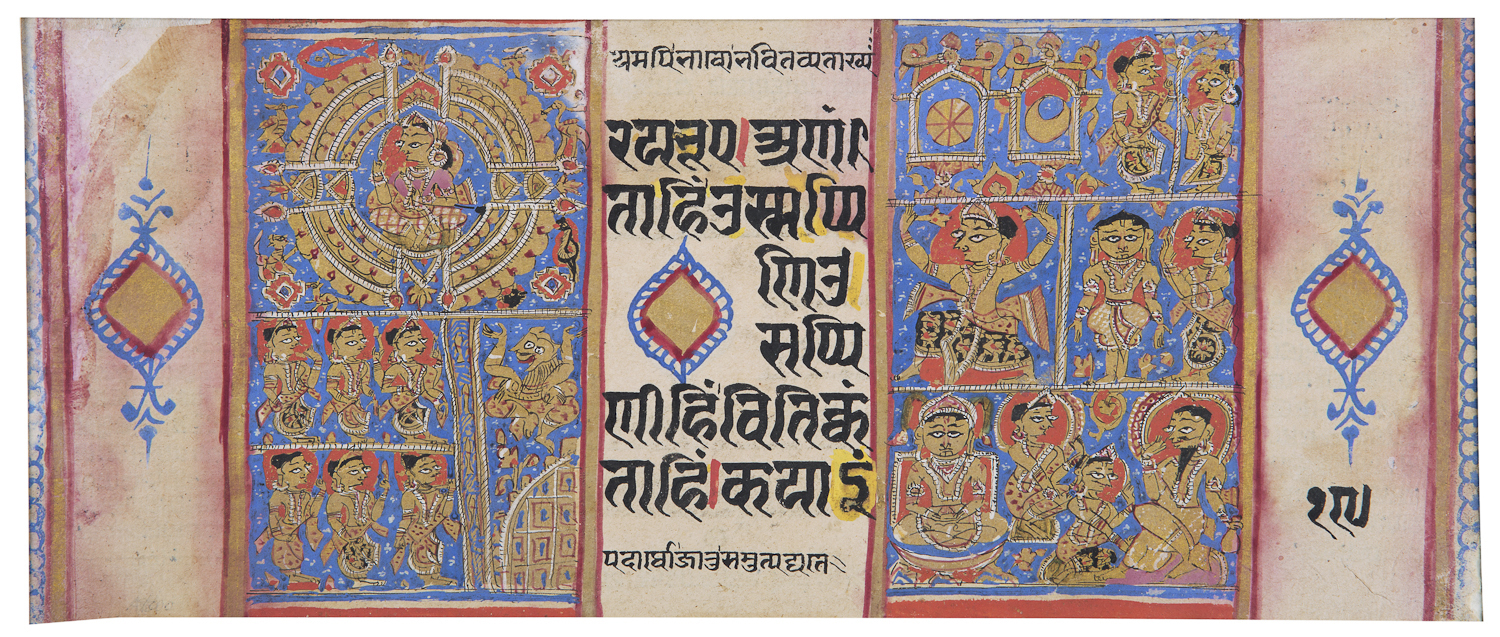
gathers more than 250 works to trace how India has told stories in sequence across fifteen hundred years. In this exhibition we witness both the creation of new visual identities and the evolution of a nation through a vast body of works across time and space. Here, the
kaavad
and
pattachitra
scroll sit alongside
Amar Chitra Katha
and
Tinkle
.
Chacha Chaudhary
meets the
Phantom
, while contemporary graphic novels and web comics continue conversations that began centuries ago. While they may seem like unlikely companions, together they tell a much larger story on the history of visual storytelling in India.The title speaks to this movement, a progression, and to the capacity of a line to move us, physically and metaphorically. It nods, too, to the marks artists use to convey motion, emotion and sound within an otherwise flat, two-dimensional medium.
As generations, technologies and societies change, so does the medium and its use. Through all of these stories the exhibition asks: how have they shaped us, and what might the future of visual storytelling look like? Along the way it holds the loud, beloved comics of the newsstand beside Bengal’s early satirical strips, the feminist and queer storytelling of makers and collectives, and a digital present in which the ecological emergency is named and machines have begun to draw alongside us.
Rooted in MAP’s belief that art should be accessible to everyone,
A Moving Line
builds access into the exhibition rather than beside it. Expect tactile and audio responses to some of the Amar Chitra Katha stories, sensory objects, Indian Sign Language content, an audio guide, described content, and books to browse in the gallery. A gallery facilitator will be on hand to give walkthroughs, and a small education intervention invites visitors to build their own comic.
A Moving Line
is accompanied by a
publication
with an introduction by Amruta Patil and newly commissioned essays and graphic narratives that carry these questions further.
Follow a single line from a temple wall in Bengaluru to the touchscreen, and watch as a country tells its stories.
Running Credits:
This project would not have been possible without the generosity of the artists, collectors, lenders, scholars and institutions who have contributed their time, knowledge and works presented in the exhibition and publication. A special thank you to Arun Prasad, Pinaki De and Sarita Sundar, for being a part of the Expert Panel and sharing their expertise with us.